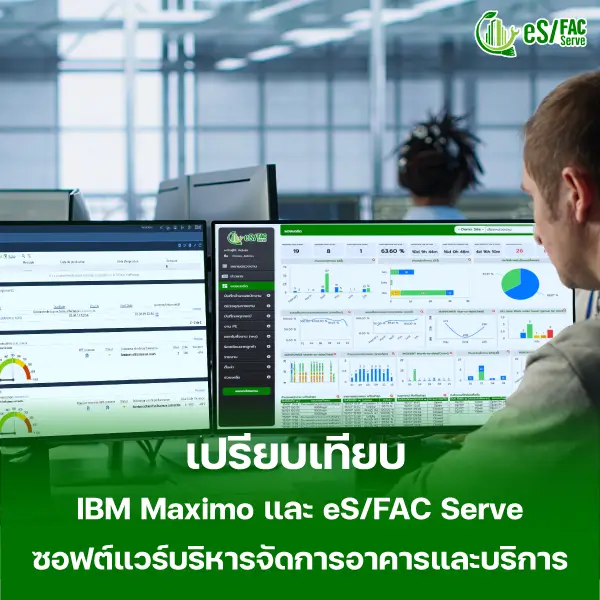
A comparison between Computer Aided Facility Management (CAFM) and Facilities Services Management (FSM).
The facilities management industry in Thailand is rapidly developing, adopting technology to enhance operational efficiency and service delivery. Prominent software solutions in this field include Computer Aided Facility Management (CAFM) and Facilities Services Management (FSM). While CAFM is globally recognized, FSM offers a more efficient alternative, emphasizing ease of use, specificity for hospitality management, a results-oriented approach, and lower cost. This article compares CAFM and FSM , focusing on maximizing benefits for managers.
Understanding CAFM
CAFM systems are comprehensive software solutions encompassing various aspects of facility management, including asset tracking, maintenance management, space utilization, and more. These systems are often integrated with IoT devices and cloud platforms to collect and analyze data in real-time.
Characteristics of CAFM
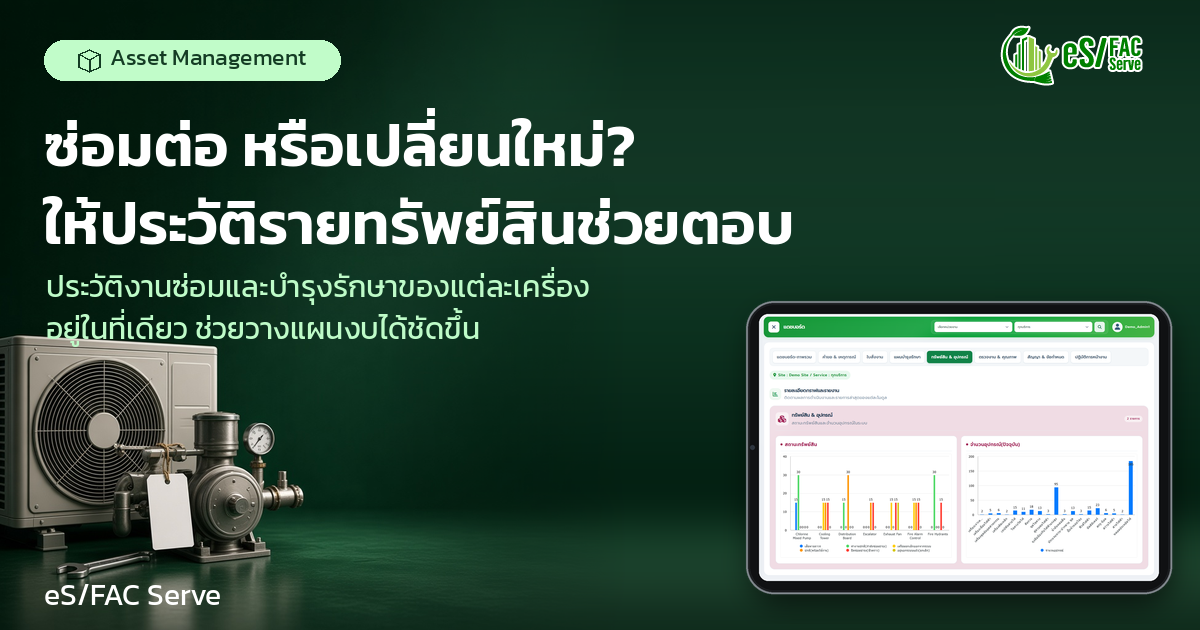
Asset Management and Maintenance: A system to help track and plan maintenance to minimize downtime and extend the lifespan of assets.
Space management and usage: Allocating and monitoring space for efficient use.
Property and Lease Management: Recording and Maintaining Lease Agreements and Ensuring Compliance.
Energy Management and Sustainability: Monitoring Energy Usage and Optimizing Resource Utilization
Mobile field services: Accessing information and reporting via mobile devices for field staff.
Getting to know FSM
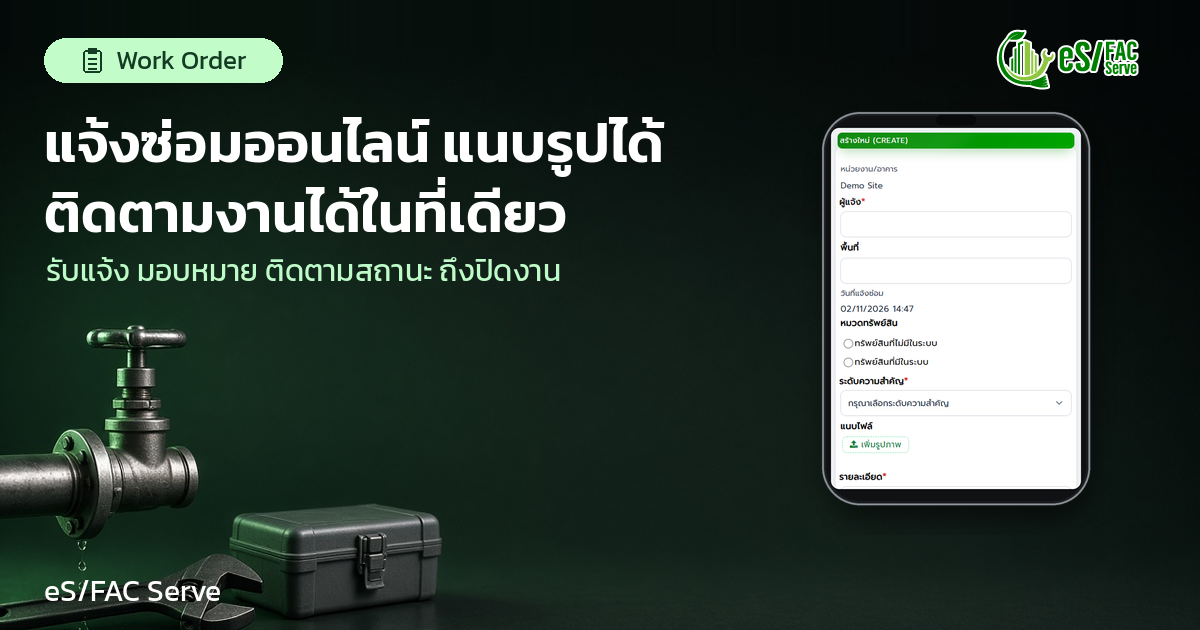
FSM (Facilities Services Management) is a modern system designed for agility and ease of use for users at all levels. It seamlessly integrates CAFM, CMMS , and Field Service Solutions. While CAFM focuses on universal system completeness, potentially leading to numerous unnecessary features, FSM emphasizes complete yet simple features, cost-effectiveness, and results.
Advantages of FSM
Simple and efficient: The system is designed to reduce complexity while retaining the essential features for operation.
Specific and cost-effective: FSM is affordably priced, making it accessible to both small and large businesses.
Real-time reporting: Monitor and analyze data via an easy-to-use dashboard.
Comparative analysis
Installation complexity: CAFM systems require setup time, but FSM is ready to use immediately.
Cost-effectiveness: FSM has a lower total cost of ownership than CAFM systems from global providers.
Local adaptation: FSM supports the Thai language and complies with local regulations.
Expansion and Support: Although the CAFM system is robust, local support from FSM provides greater convenience for users.
Many facility management companies in Thailand are currently choosing to use FSM (Factory Smart Management) to reduce costs and increase operational efficiency. Real-time reports enable managers to make informed decisions without the need for complex training, while requiring less time for system maintenance.
While international CAFM systems are feature-rich and suitable for large global organizations, FSM is becoming a significant alternative, more appropriate in the Thai context. Its simpler design, Thai language support, lower price, and local team support make it a suitable choice for facility managers in Thailand.